

What the Google HQ Listing Says About Toronto's Office Market Right Now
Google's Toronto HQ building just hit the market. Layered on top of Q1's vacancy data and record conversions, the listing signals a market repricing itself faster than most tenants have adjusted to.

What Clients Notice First in a Law Firm Boardroom
Clients judge a law firm's rigor before anyone speaks — through acoustics, technology, and small design signals. Here's what actually builds trust in a boardroom, and why dark wood isn't it anymore.

The Attendance Gap: Why Being in the Office Isn't the Same as Working Well
Office attendance has stabilized — employees even want more of it. But Gensler's 2026 survey shows most workers are still hacking their own workspace to compensate for what the office doesn't deliver.

Toronto Office Market: Q1 2026 Snapshot
Toronto's downtown vacancy fell to 14.4% in Q1 2026, trophy space dropped below 10%, and record office-to-residential conversions are shrinking supply. Here's what the numbers mean for your next lease negotiation.
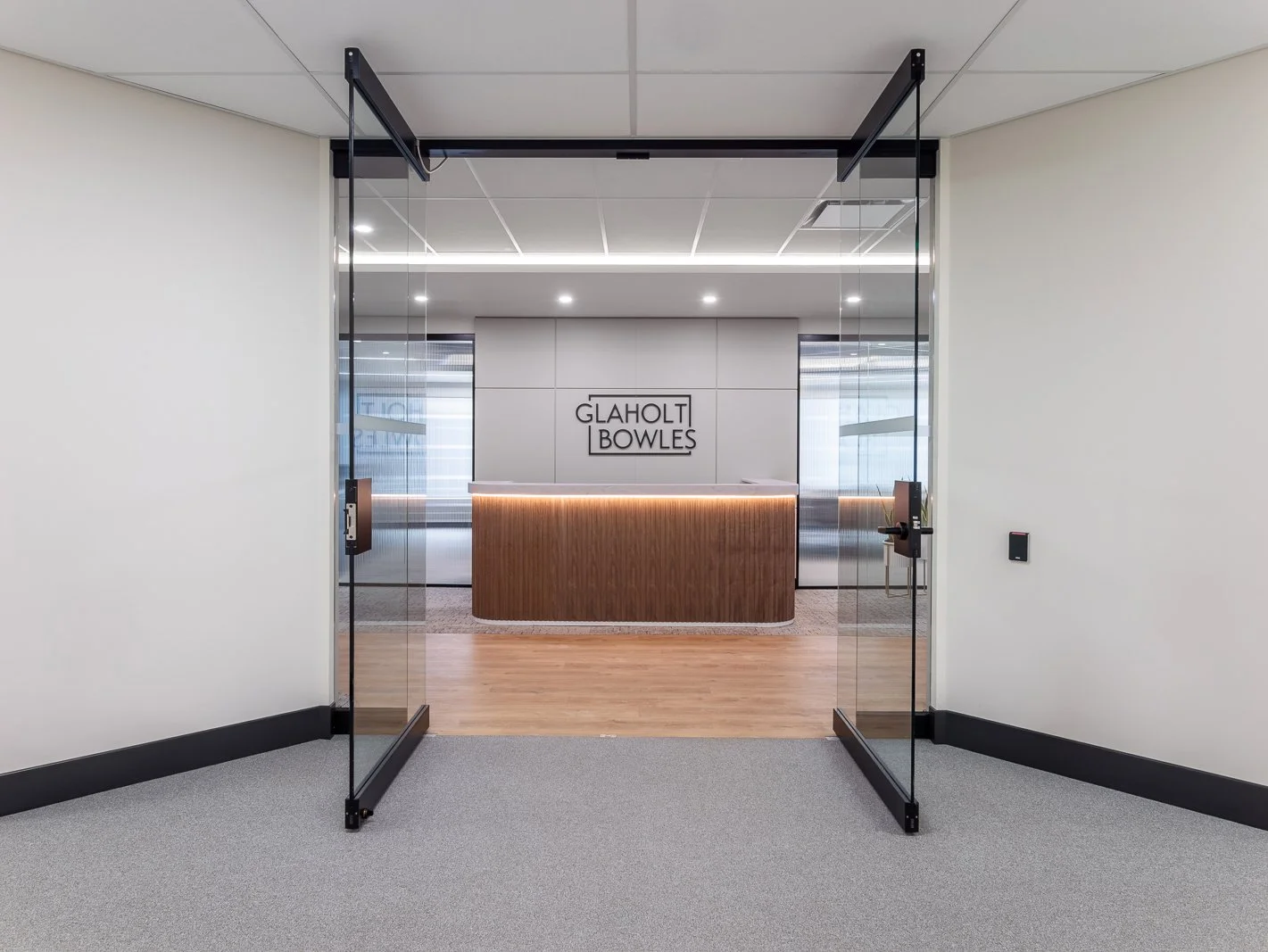
Fire Separation Rules Every Tenant Should Understand Before Signing a Lease
The 2026 Ontario Building Code update tightens fire separation and door inspection rules. Here's what tenants need to check before signing a lease or starting a fit-out — and where costly surprises usually hide.

What Fintech Offices Are Getting Wrong About Security & Openness
Fintech offices default to open, tech-industry floor plans — but the same openness that signals innovation can expose sensitive client data. Here's how to zone privacy without sacrificing the collaborative culture.

Why Your Office Isn’t Delivering — and What High-Performing Workplaces Do Differently
Attendance is back. Performance hasn't followed. According to Gensler's 2025 Global Workplace Survey, employees spend 55% of their week in the office — but say they'd need to be there 65% to do their best work. That 10-point gap isn't a policy problem. It's a design problem.

The Hidden Cost of Getting Your Office Fit-Out Wrong | Finance Toronto
Finance teams are disciplined about risk — until it comes to their office renovation. Cost overruns, delays, and misaligned incentives aren’t edge cases, they’re built into the traditional process. The firms getting this right are restructuring how the project is delivered to eliminate financial surprises
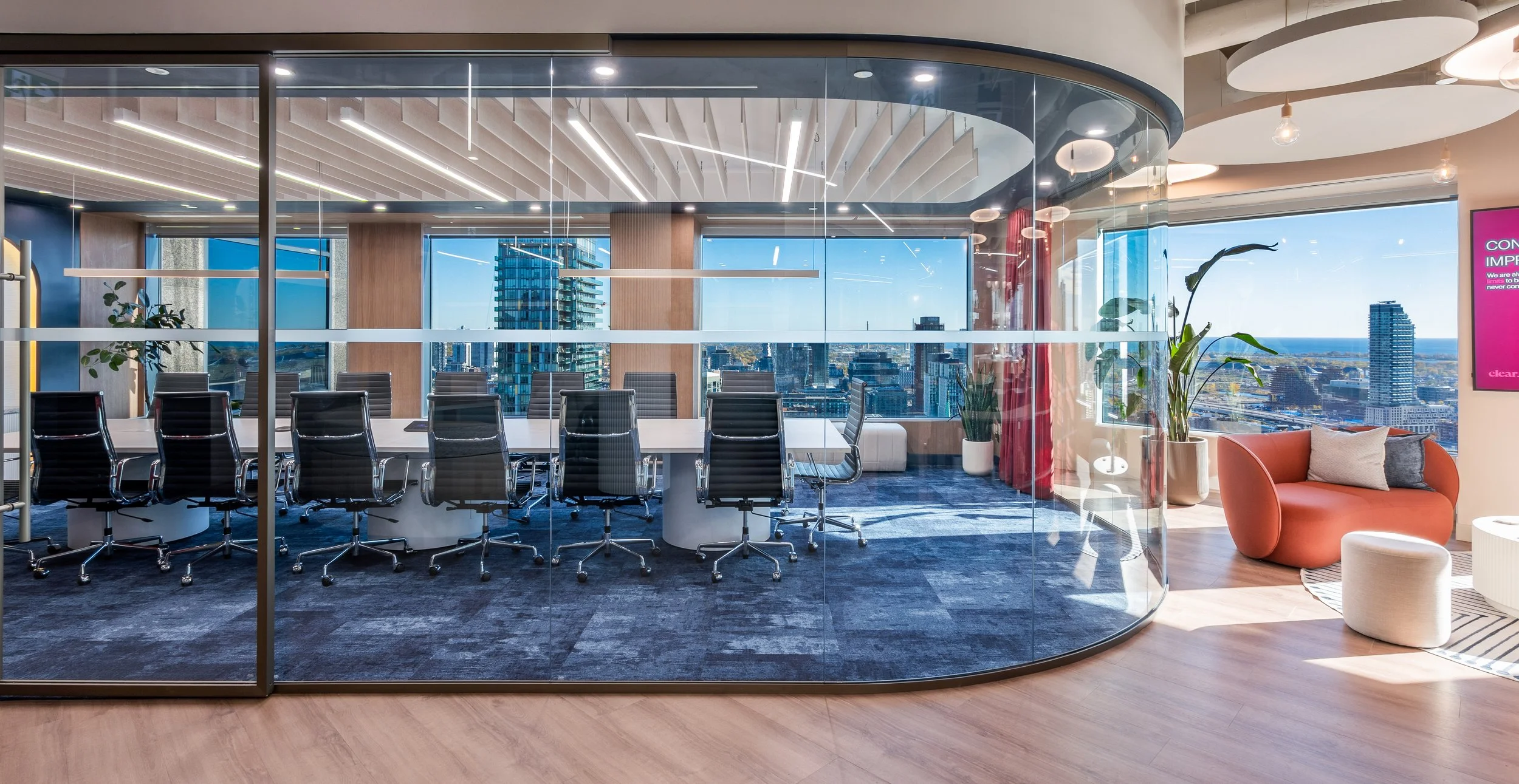
What Your Office Says to Clients | Law Firm Office Design Toronto
Before a word is spoken, your office is already shaping how clients perceive your firm. The best law firm spaces in Toronto communicate precision and discretion.

Why Your Office Is Your Best Hiring Tool | Tech Offices in Toronto
The best tech companies in Toronto are using their office as a competitive advantage in hiring. In a hybrid world, space is where culture is built, talent is retained, and first impressions are formed. The companies getting it right aren’t designing for desks. They’re designing for how their teams actually work.

Designing for the Next Phase of Workplace Evolution
Toronto’s office market is rebounding fast, but the rules have changed. Tightening vacancy, rising costs, and evolving employee expectations demand smarter decisions. This white paper explores how strategic workplace design, value engineering, and integrated delivery help organizations secure high-performing space, control budgets, and act decisively before market advantages disappear.

Meet Elena Moliotsias
I love seeing how a space can completely change the way people feel and interact. With workplace design especially, it’s rewarding to know that something you’ve created can make someone’s day more inspiring, productive, or connected.

The Race Back to the Office
Toronto’s office market is shifting fast. Hybrid work has stabilized, occupancy is climbing, and major employers are returning to in-person collaboration. But high-quality, flexible office space is tightening quickly. The window to secure well-located, move-in-ready space is closing, and early movers will benefit most.

Demising Walls: More Than Just a Divider
A demising wall it defines legal boundaries, enhances fire safety, improves soundproofing, and boosts energy efficiency. These partitions are essential in creating safe, comfortable, and adaptable office spaces that meet both tenant needs and building code requirements.

Designing with Empathy: Lessons from Building Our Own Office
When we set out to design our new headquarters, we treated ourselves like any other client — no shortcuts, no exceptions. The process forced tough choices, tested our patience, and built empathy. Living the client journey firsthand sharpened our practice and strengthened our belief in design rooted in balance.

Practicing What We Preach: Inside Clearspace’s New Office
Clearspace’s headquarters embodies our people-centric philosophy. Every detail reflects our growth. The office is a living showcase, fostering collaboration, attracting talent, and proving that thoughtful, high-performing workplaces drive real value.

Occupant Load: How Many Is Too Many?
How many people can safely occupy your office space? With new 2025 Ontario Building Code changes, understanding occupant load is more critical than ever. Learn how it impacts safety, design, and compliance—especially when retrofitting or increasing capacity in existing buildings.

How Small is Too Small? Understanding Suite Sizes and Egress Rules
Subdividing office suites isn’t as simple as adding a few walls—egress door placement, quantity, and swing direction all have serious code implications. Here’s a quick guide to help you navigate the Ontario Building Code requirements and design safer, compliant office layouts.

The Modern Small Office: Simplicity, Flexibility, and Affordability
Today’s technology makes enterprise-grade networking and video conferencing accessible for small offices. With Unifi and Logitech, teams get scalable, secure, and affordable solutions—no complex integrators or high-cost contracts needed. Professional results, simplified for growing teams.

Meet Patrick McMahon
Having people from all backgrounds—designers, architects, trades—at the table early in a project reduces issues and makes everything more efficient. That’s something I’ve really learned at Clearspace. It’s not just about building better spaces—it’s about building them smarter, together. That collaboration is what sets us apart and drives success.