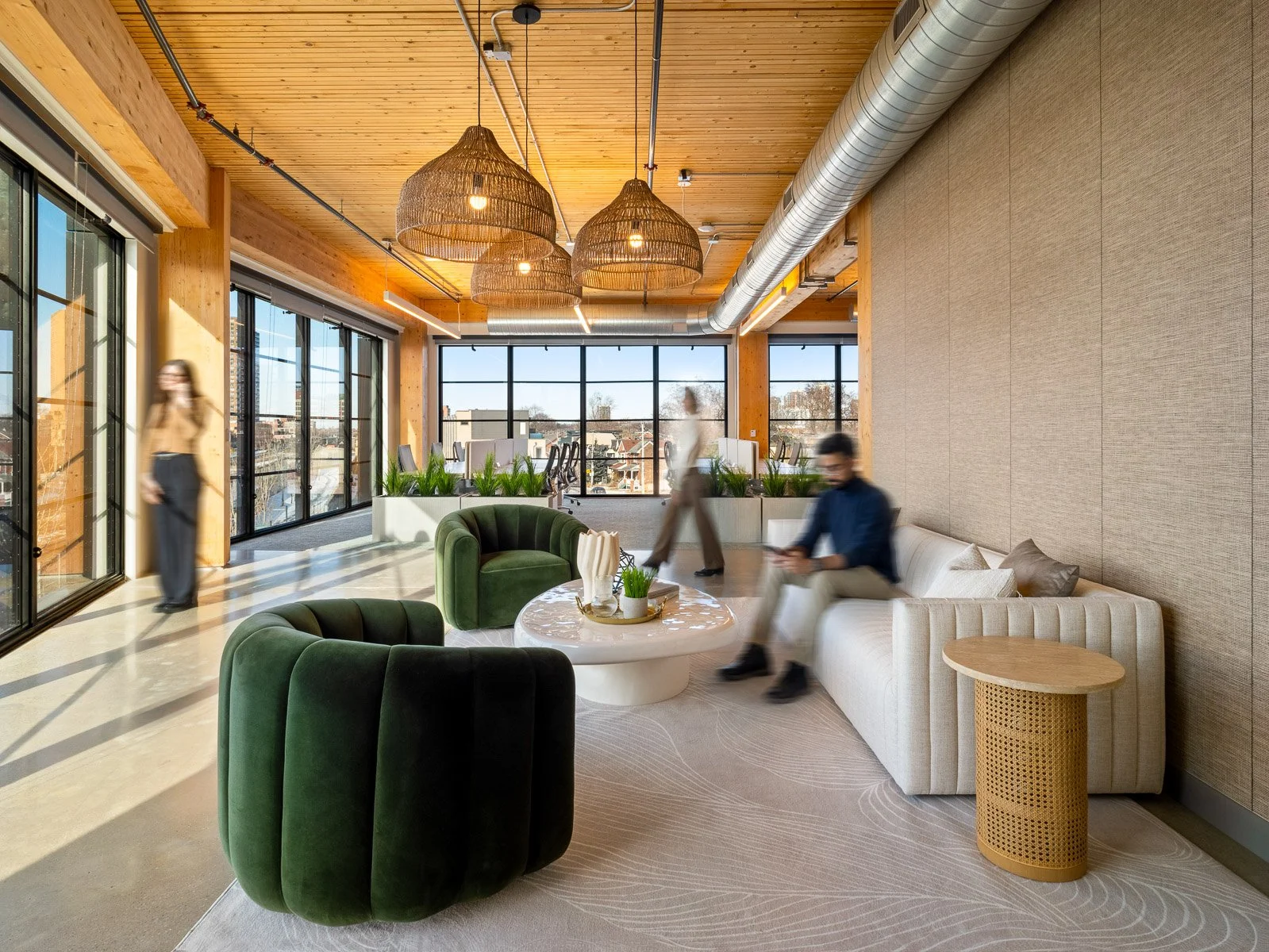
Why Your Office Is Your Best Hiring Tool | Tech Offices in Toronto
The competition for engineering and product talent in Toronto is just starting. After years of remote-first policies and distributed hiring, a quieter battle is being fought in square footage. The best tech companies in the GTA are discovering something counterintuitive: the right office is one of the most effective recruiting tools they have.
The Hybrid Shift Changed What Offices Are For
The data is hard to ignore. Microsoft’s 2025 Work Trend Index found that 85% of business leaders consider in-person presence a meaningful factor in team performance and advancement — yet employees consistently say they need a compelling reason to commute. The office can no longer be the default. It has to be the destination.
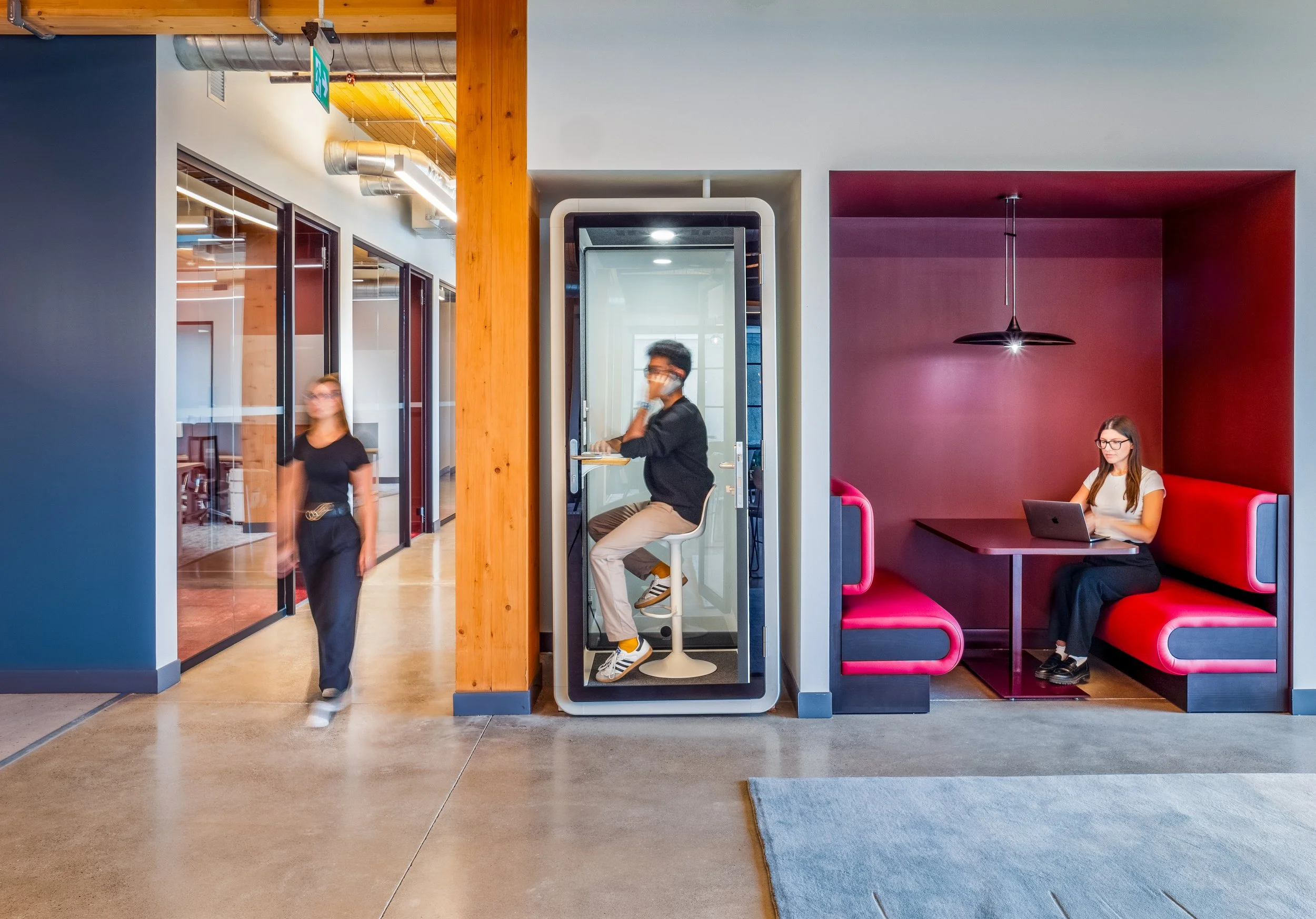
For high-growth tech companies, this creates a specific design challenge. The space has to do more work per square foot than it ever did before. With teams splitting time between home and office, a well-designed space needs to accommodate heads-down focused work, spontaneous collaboration, all-hands moments, and client visits — sometimes on the same floor, sometimes on the same day.
The mistake most companies make at this stage is designing for a single mode. Open-plan rows optimised for collaboration fall flat for developers who need four uninterrupted hours. Fully private offices kill the spontaneous interaction that moves ideas forward. The companies getting this right are designing for range — and building in the flexibility to shift as the team evolves.
Culture Doesn’t Scale Remotely
The hardest thing to replicate on a video call is culture. Junior engineers learn from senior ones not in structured sessions, but in the unscheduled ten minutes after a standup. According to Gartner’s 2024 Employee Experience Survey, 58% of employees say their sense of belonging comes primarily from in-person interaction. For a tech company, belonging isn’t a soft metric — it’s a retention lever.
The Society for Human Resource Management estimates that replacing a mid-level technical employee costs between 50% and 200% of their annual salary when you account for recruiting, onboarding, and ramp-up time. At GTA compensation levels, a handful of preventable departures annually is a meaningful number. A space that gives people a genuine reason to be present is one of the more cost-effective investments a scaling company can make.
Design for Growth, Not Today’s Headcount
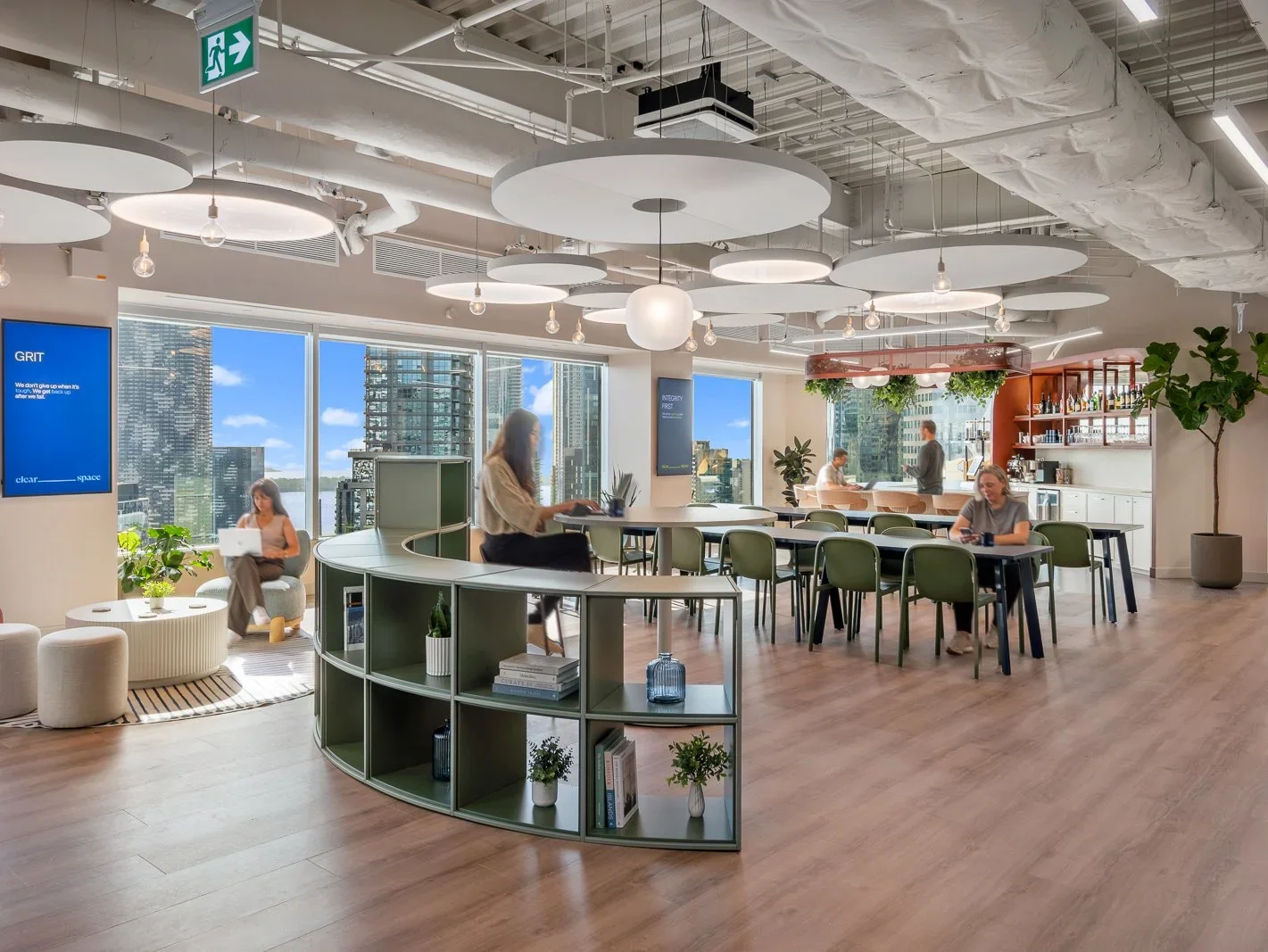
Scalable design is a specific skill. Many tech companies make the mistake of fitting out a space for their current headcount and finding themselves cramped or reconfiguring within eighteen months. The collaboration zone becomes overflow seating. The phone room becomes a permanent office. The space starts working against the culture it was meant to support.
What works for high-growth teams: flexible zones that shift between collaboration and focus depending on what the day requires. Modular meeting configurations that can combine for larger all-hands. Planned growth capacity that doesn’t get paid for until it’s activated. Acoustic treatment that makes an energetic space functional, not chaotic. Designed well, a 10,000 sq ft space can support a company through two or three headcount stages without a disruptive fit-out in between.
Speed Matters When You’re Scaling
Talent doesn’t wait. When a company is growing quickly and ready to move into a new space, every week of delay has a real cost — in temporary arrangements, disrupted onboarding schedules, and the message it sends to new hires who were promised something better. The traditional model of designing, tendering, and then building can stretch to twelve months or more. Design-build compresses this: because strategy, design, and pricing happen concurrently under one contract, projects we’ve delivered for GTA tech teams have gone from brief to occupancy in as little as eight weeks.
What the Office Says About You
When a candidate walks into your space for an interview, they’re absorbing an argument about your company before anyone says a word. A space that feels considered, functional, and alive says something different than one that feels improvised or generic. If you’re growing, or about to sign a new lease, the question worth asking isn’t just how many desks you need. It’s: what should this space say about the team we’re building?